

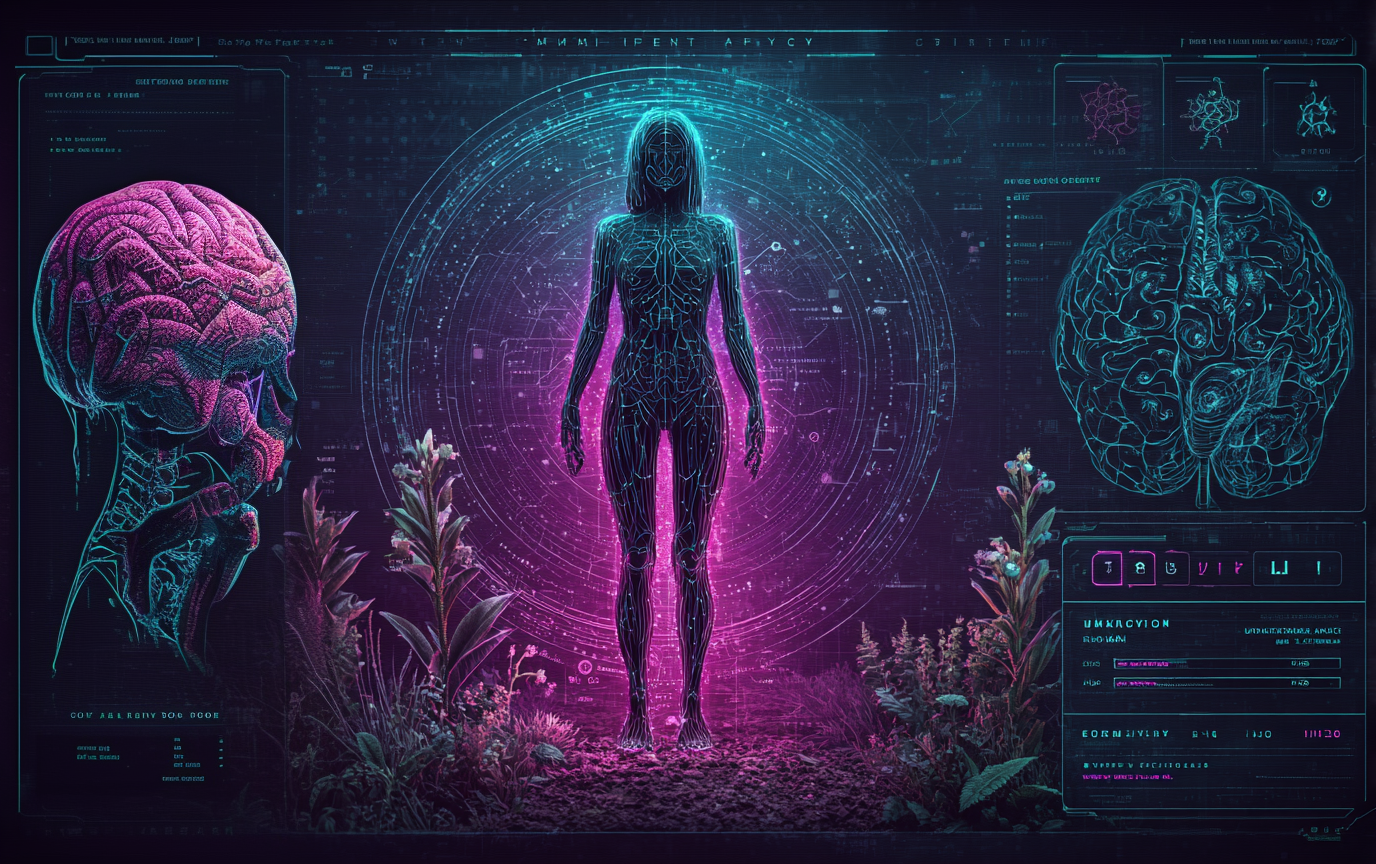
In the evolving landscape of healthcare, the fusion of artificial intelligence (AI) and personalized medicine is unlocking new possibilities for more accurate, individualized treatment. One of the most groundbreaking applications of this intersection is AI-powered remedy matching—a system that leverages machine learning, pattern recognition, and clinical data to identify the most appropriate remedies for a patient’s unique symptom profile, particularly in holistic and integrative disciplines such as homeopathy.
This article explores how AI is revolutionizing the way remedies are matched to patients, the technologies that make it possible, and the far-reaching implications for the future of therapeutic care.
What Is AI-Powered Remedy Matching?
AI-powered remedy matching is the process of using artificial intelligence to analyze a wide spectrum of data—including symptoms, genetic information, lifestyle patterns, emotional states, and historical outcomes—to identify the most effective natural or pharmaceutical remedy for a specific patient.
Instead of relying solely on practitioner knowledge or static databases, AI systems dynamically compare patient input against vast clinical repositories, case studies, and learned treatment outcomes. The result is faster, more precise, and more adaptable remedy recommendations.


Core Components of AI-Powered Remedy Matching
1. Natural Language Processing (NLP)
AI uses NLP to understand patient input in conversational or written form—capturing nuance, emotional tone, and complex symptom descriptions. This allows for symptom analysis that mimics the depth of a seasoned practitioner.
2. Symptom Pattern Recognition
Machine learning algorithms identify patterns across thousands—or millions—of similar cases, recognizing subtle correlations that might be missed by the human eye. For example, recurring digestive issues in tandem with sleep disturbances may point to a specific constitutional remedy.
3. Adaptive Feedback Loops
As treatment progresses, AI tracks patient response over time and adjusts remedy recommendations accordingly. This feedback loop creates a form of “living intelligence” that continuously refines itself based on real-world outcomes.
4. Multimodal Data Integration
AI can analyze and cross-reference data from wearables (e.g., heart rate variability), lab reports, microbiome profiles, voice tone analysis, and even facial expressions to create a multi-dimensional view of the patient.
Benefits of AI-Powered Remedy Matching
✅ Greater Accuracy and Precision
AI dramatically reduces the risk of incorrect remedy selection by basing recommendations on empirical data and pattern intelligence rather than subjective guesswork.
✅ Speed and Efficiency
What may take hours of case analysis for a practitioner can be achieved in seconds with AI—streamlining diagnostics and reducing bottlenecks in care delivery.
✅ Personalization at Scale
AI can provide deeply individualized recommendations for millions of users simultaneously, democratizing access to high-quality care and reducing dependence on geographical or economic barriers.
✅ Objective Decision Support
AI supports clinicians and holistic practitioners by offering unbiased, data-driven insights—serving as a second brain that enhances, not replaces, human intuition.
Use Case: AI in Homeopathy and Functional Medicine
In homeopathy, remedy matching often requires years of training and experience. AI tools can now assist by parsing symptom language, emotional states, modalities (better/worse conditions), and remedy provings from massive databases.
For instance, a patient describing alternating bouts of weepiness, fatigue, and menstrual irregularity might be matched with a constitutional remedy like Pulsatilla based on real-time correlation with thousands of successful historical cases. Moreover, if the remedy proves ineffective, AI can reanalyze the case with updated feedback and suggest a new direction—adapting like a digital practitioner.
Challenges and Ethical Considerations
- Data Privacy: Managing sensitive health information must include encryption, secure storage, and patient consent.
- Bias in Training Data: AI must be trained on diverse, ethically sourced datasets to avoid systemic bias.
- Human Oversight: While AI is powerful, it should not override practitioner expertise—human-AI collaboration is key.
The Future: A Co-Pilot for Practitioners and Patients
AI-powered remedy matching isn’t about replacing human care—it’s about amplifying it. As this technology continues to evolve, we envision a future where:
- Patients receive tailored remedies via AI apps that adapt daily to their changing states
- Practitioners use AI as an intelligent assistant for faster, more confident prescribing
- Communities gain access to safe, affordable, and personalized natural medicine
Conclusion:
AI-powered remedy matching represents a paradigm shift in how we approach treatment—one where ancient healing wisdom meets modern computational intelligence. As we continue refining these systems with care, empathy, and ethical rigor, we step into a new era of medicine that is smarter, safer, and profoundly more human.